★
테스트를 통해 어휘력 다지기!
☞ 어휘력 [wish - (28)] - Ⅰ → [단어/숙어 6]
★
"chapel"의 동의어 (3).
1.
The Israelites carried the ________ through the desert
as a portable dwelling place for the divine presence.
A) Basilica
B) Cathedral
C) Chantry
D) Tabernacle
Answer: D
Explanation:
A "Tabernacle" historically refers to
a portable or temporary place of worship.
2.
During the storm,
the villagers sought ________ in the ancient stone building,
feeling safe within its holy walls.
A) Minster
B) Abbey
C) Sanctuary
D) Basilica
Answer: C
Explanation:
"Sanctuary" refers to a sacred place that provides safety and refuge.
3.
The ancient ________ in Athens
was dedicated to the goddess Athena
and used for various religious ceremonies.
A) Kirk
B) Mosque
C) Tabernacle
D) Temple
Answer: D
Explanation:
"Temple" is used
for buildings dedicated to gods in non-Christian or ancient religions.
4.
The local ________ holds a service every Sunday morning
for the entire neighborhood congregation.
A) Church
B) Sacellum
C) Chantry
D) Pagoda
Answer: A
Explanation:
"Church" is the standard term for a building
where a Christian congregation meets for regular public worship.
5.
The king had a private ________
built within the palace walls
so he could pray quietly without leaving the grounds.
A) Oratory
B) Pagoda
C) Synagogue
D) Minster
Answer: A
Explanation:
An "Oratory" is
a small, often private, chapel or room set aside for prayer.
6.
Many travelers visit the ________ to pray
before the relics of the patron saint.
A) Mission
B) Shrine
C) Synagogue
D) Meetinghouse
Answer: B
Explanation:
A "Shrine" is a holy place
associated with a specific sacred person or relic.
7.
The monks living in the ________
spend most of their day in silent meditation and communal prayer.
A) Sacellum
B) Abbey
C) Mission
D) Meetinghouse
Answer: B
Explanation:
An "Abbey" is a complex of buildings
where a monastic community (monks or nuns) lives and worships.
8.
As the seat of the bishop,
the city's ________ is
the most architecturally impressive religious building
in the region.
A) Chapel
B) Bethel
C) Cathedral
D) Mosque
Answer: C
Explanation:
A "Cathedral" is the principal church of a diocese
and contains the bishop's official throne.
9.
York ________ is famous for
its stunning Gothic architecture and its history
as a major religious center in Northern England.
("be famous for")
A) Sacellum
B) Chantry
C) Kirk
D) Minster
Answer: D
Explanation:
"Minster" is a title given
to certain large, historic English churches,
often with monastic origins.
10.
The small, humble building was named ________,
signifying its role as a dedicated "House of God" for the village.
A) Bethel
B) Pagoda
C) Basilica
D) Abbey
Answer: A
Explanation:
"Bethel" literally means "House of God"
and is often used for small chapels or meeting places.
11.
While traveling through the Scottish Highlands,
we saw a beautiful stone ________
where the local Presbyterians gather.
A) Mosque
B) Synagogue
C) Kirk
D) Temple
Answer: C
Explanation:
"Kirk" is the specific Scottish word for a church.
12.
The church established a ________ in the remote village
to provide medical aid and teach their faith to the locals.
A) Mission
B) Basilica
C) Minster
D) Cathedral
Answer: A
Explanation:
A "Mission" is a center
established to carry out religious, social, or medical work
in a specific area.
13.
The Quakers gathered in the simple ________,
which lacked ornate decorations to focus on the inner spirit.
A) Oratory
B) Meetinghouse
C) Tabernacle
D) Shrine
Answer: B
Explanation:
A "Meetinghouse" is a plain building
used for worship and community meetings,
especially by Quakers.
14.
Every Friday,
the Jewish community gathers at the ________
to observe the Sabbath and read the Torah.
A) Pagoda
B) Church
C) Mosque
D) Synagogue
Answer: D
Explanation:
A "Synagogue" is
the place of worship and assembly
for the Jewish faith.
15.
The call to prayer echoed from the minaret of the ________,
inviting the faithful to the afternoon service.
A) Sacellum
B) Cathedral
C) Mosque
D) Abbey
Answer: C
Explanation:
A "Mosque" is the place of worship for followers of Islam.
16.
The golden ________ stood tall above the trees,
its multiple tiers representing different levels of Buddhist enlightenment.
A) Chantry
B) Pagoda
C) Mission
D) Bethel
Answer: B
Explanation:
A "Pagoda" is a tiered tower common
in East Asian Buddhist architecture.
17.
St. Peter's ________ in Rome
is one of the most famous examples
of a church granted special ceremonial status by the Pope.
A) Basilica
B) Kirk
C) Oratory
D) Tabernacle
Answer: A
Explanation:
A "Basilica" is a title of honor for important churches
with special liturgical privileges.
18.
The wealthy merchant endowed a small ________
where a priest would pray daily for the repose of his soul.
A) Shrine
B) Chantry
C) Sanctuary
D) Temple
Answer: B
Explanation:
A "Chantry" is a chapel or endowment specifically
for chanting masses for the souls of the deceased.
19.
Archaeologists discovered a small ________
in the ruins of the Roman villa,
used by the family for private offerings to their gods.
A) Sacellum
B) Minster
C) Synagogue
D) Meetinghouse
Answer: A
Explanation:
A "Sacellum" is
a small, often roofless, sacred space or chapel
from Ancient Roman times.
20.
The hospital has a non-denominational ________
where patients and staff of all faiths can go
for a moment of quiet reflection.
A) Tabernacle
B) Mission
C) Abbey
D) Chapel
Answer: D
Explanation:
A "Chapel" is a small place of worship,
often located within a secular institution
like a hospital or school.
21.
The treaty was signed within the ________ of the altar,
symbolizing that the agreement was made
under divine protection.
A) Minster
B) Sanctuary
C) Pagoda
D) Sacellum
Answer: B
Explanation:
"Sanctuary" here refers to the most sacred part of a church building,
often near the altar.
22.
Unlike the ornate cathedrals of the south,
the village ________ in the north
retained a rugged, austere Scottish character.
A) Mission
B) Mosque
C) Kirk
D) Basilica
Answer: C
Explanation:
The context of "Scottish character" identifies "Kirk"
as the appropriate regional term.
23.
The architect designed the ________ with seven levels
to reflect the traditional cosmology of the local Buddhist sect.
A) Bethel
B) Pagoda
C) Synagogue
D) Chantry
Answer: B
Explanation:
The mention of "seven levels" and "Buddhist cosmology"
points specifically to the architecture of a Pagoda.
24.
Because it housed the bishop's official cathedra,
the building functioned as the administrative ________
for the entire province.
A) Cathedral
B) Oratory
C) Meetinghouse
D) Tabernacle
Answer: A
Explanation:
The presence of the "cathedra" (throne)
is the defining characteristic of a Cathedral.
25.
The ________ served as a vital frontier outpost,
providing both spiritual guidance and physical defense for the settlers.
A) Cathedral
B) Sacellum
C) Abbey
D) Mission
Answer: D
Explanation:
Historically,
"Missions" in frontier areas (like the American West)
served as multipurpose outposts for outreach.
26.
Although the building was large enough to be a cathedral,
it was officially designated a ________
due to its ancient monastic foundation.
A) Minster
B) Chapel
C) Temple
D) Mosque
Answer: A
Explanation:
A "Minster" is often a large church
that carries a historic title associated with monastic roots
rather than a bishop's seat.
27.
During the festival,
the ________ was draped in flowers,
and thousands came to touch the stone that touched the martyr.
A) Oratory
B) Shrine
C) Synagogue
D) Meetinghouse
Answer: B
Explanation:
"Shrine" is
the correct term
for a place focused on
the veneration of a martyr or a physical relic.
28.
The liturgical reform moved the ________ to a more central location
to emphasize the importance of the Eucharist in the service.
A) Sacellum
B) Chantry
C) Tabernacle
D) Kirk
Answer: C
Explanation:
In modern Catholic and Anglican contexts,
the "Tabernacle" is the fixed box
used to store the consecrated Eucharist.
29.
The document was preserved in the archives of the ________,
which had remained independent of the local bishop for centuries.
A) Mission
B) Bethel
C) Church
D) Abbey
Answer: D
Explanation:
Abbeys were often "exempt" jurisdictions,
meaning the Abbot or Abbess reported to Rome
rather than the local bishop.
30.
The pilgrims gathered at the ________ to celebrate the feast day,
as it was one of the few churches granted major status in the country.
A) Basilica
B) Pagoda
C) Sanctuary
D) Tabernacle
Answer: A
Explanation:
The context of "major status" and specific "feast days"
aligns with the honorary title of a Basilica.
31.
The ancient Greek ________ stood on the hill,
its marble columns still upright despite centuries of decay.
A) Synagogue
B) Mosque
C) Temple
D) Kirk
Answer: C
Explanation:
"Temple" is the standard term
for the religious architecture of Ancient Greece.
32.
The ________ provided a space for the local dissenters to gather,
away from the influence of the established state church.
A) Basilica
B) Bethel
C) Minster
D) Sacellum
Answer: B
Explanation:
Historically,
"Bethel" was a name frequently
adopted by Non-conformist or dissenting Christian groups
for their places of worship.
33.
The architectural plans for the ________
included a large mihrab to indicate the direction of Mecca
for the worshippers.
A) Pagoda
B) Synagogue
C) Cathedral
D) Mosque
Answer: D
Explanation:
A mihrab and the direction of Mecca
are exclusive features of a Mosque.
34.
Within the large cathedral complex,
a tiny ________ was tucked away in the corner
for the private devotions of the clergy.
A) Oratory
B) Mission
C) Chantry
D) Abbey
Answer: A
Explanation:
An "Oratory" is a small prayer space
often found within larger religious or secular complexes.
35.
The community met at the ________ to discuss
both religious matters and civil disputes,
as it was the only public hall in the town.
A) Sacellum
B) Meetinghouse
C) Shrine
D) Tabernacle
Answer: B
Explanation:
"Meetinghouses" historically served dual roles
as places for worship and town halls for civic business.
(아래 참조)
36.
The ________'s foundation was funded by the knight’s will
to ensure that prayers would be said for his family in perpetuity.
A) Bethel
B) Mosque
C) Chantry
D) Pagoda
Answer: C
Explanation:
The key phrase "will to ensure that prayers
would be said... in perpetuity" defines the function of a Chantry.
37.
Despite being a major center of worship,
the ________ remained roofless
as per the ancient tradition of honoring the sky god.
A) Sacellum
B) Cathedral
C) Synagogue
D) Kirk
Answer: A
Explanation:
A "Sacellum" in Ancient Rome
was frequently a small, roofless enclosure dedicated to a deity.
38.
The choir practiced in the ________,
a small room off the main nave
that had better acoustics
for their morning rehearsals.
A) Church
B) Minster
C) Basilica
D) Chapel
Answer: D
Explanation:
A "Chapel" can be a sub-section or side-room
within a larger church building
used for smaller gatherings.
39.
The rabbi stood at the bimah of the ________,
leading the congregation in the traditional chanting of the Psalms.
A) Temple
B) Mosque
C) Abbey
D) Synagogue
Answer: D
Explanation:
"Rabbi," "bimah,"
and the specific congregation define the setting as a Synagogue.
40.
The village ________ stood at the center of the town square,
its bell ringing to mark every wedding and funeral in the parish.
A) Church
B) Mission
C) Pagoda
D) Oratory
Answer: A
Explanation:
A "Church" is the central religious building of a parish,
used for the life-cycle events of the community.
☞
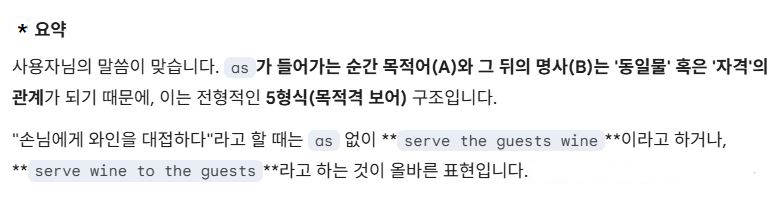
35번 설명문에서:
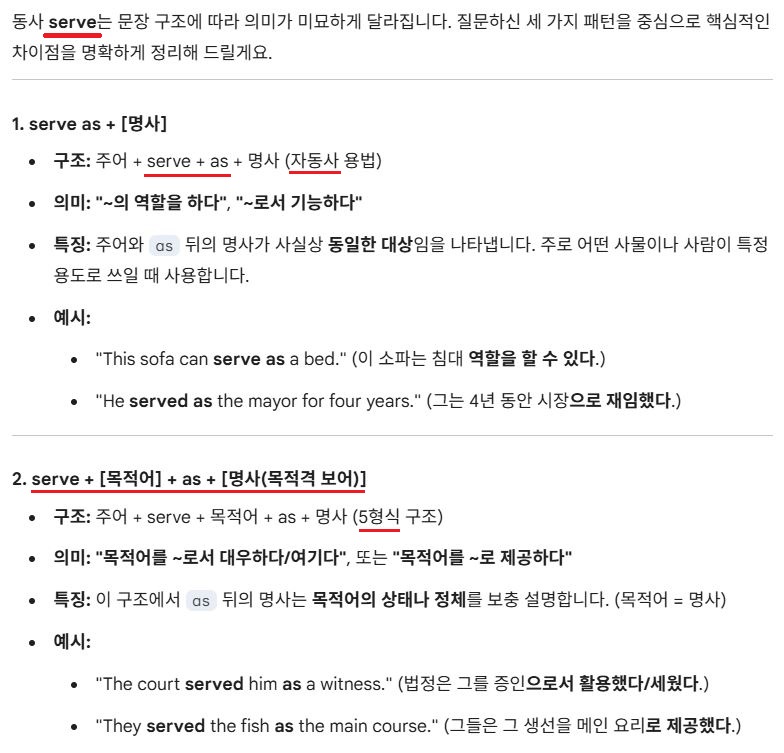
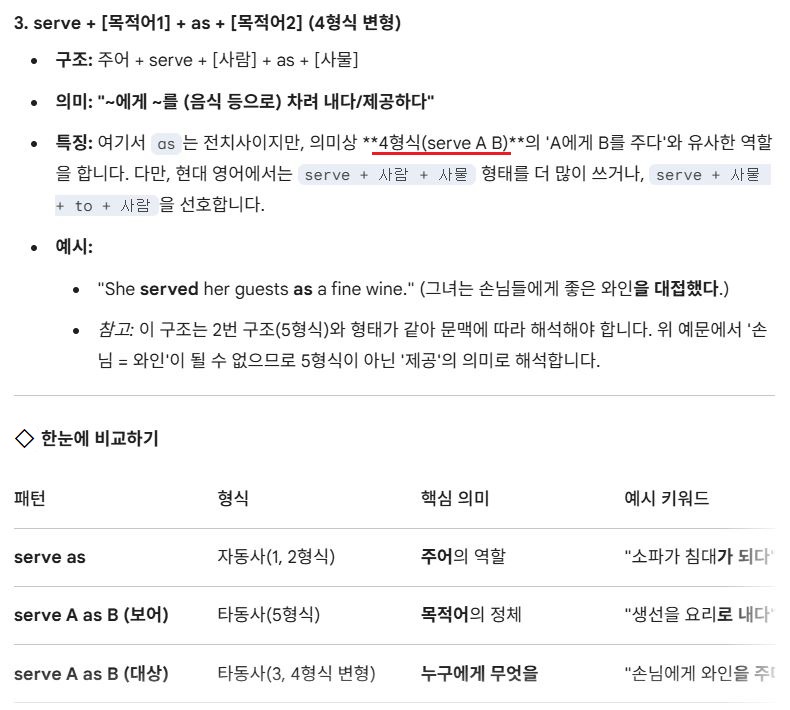
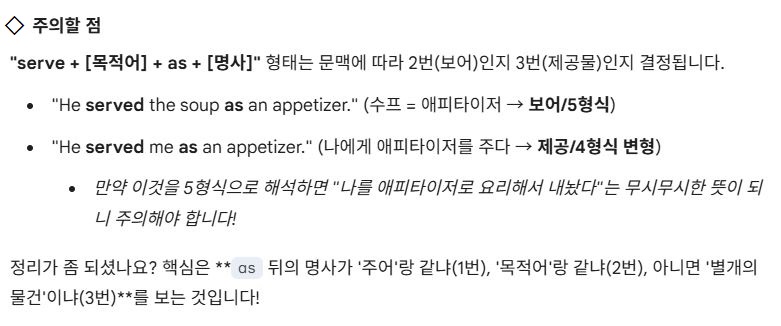
→ [보충]


'영어 어휘력 기르기' 카테고리의 다른 글
| 어휘력 [wish - (28)] - Ⅰ → [단어/숙어 7] → [테스트 2] (0) | 2026.04.03 |
|---|---|
| 어휘력 [wish - (28)] - Ⅰ → [단어/숙어 7] → [테스트 1] (0) | 2026.04.03 |
| 어휘력 [wish - (28)] - Ⅰ → [단어/숙어 6] → [테스트 2] (0) | 2026.04.02 |
| 어휘력 [wish - (28)] - Ⅰ → [단어/숙어 6] → [테스트 1] (0) | 2026.04.02 |
| 어휘력 [wish - (28)] - Ⅰ → [단어/숙어 5] → [테스트 3] (0) | 2026.04.01 |